


Altenburg Castle, Bamberg

49.881°N · 10.886°E · 386 m above sea level

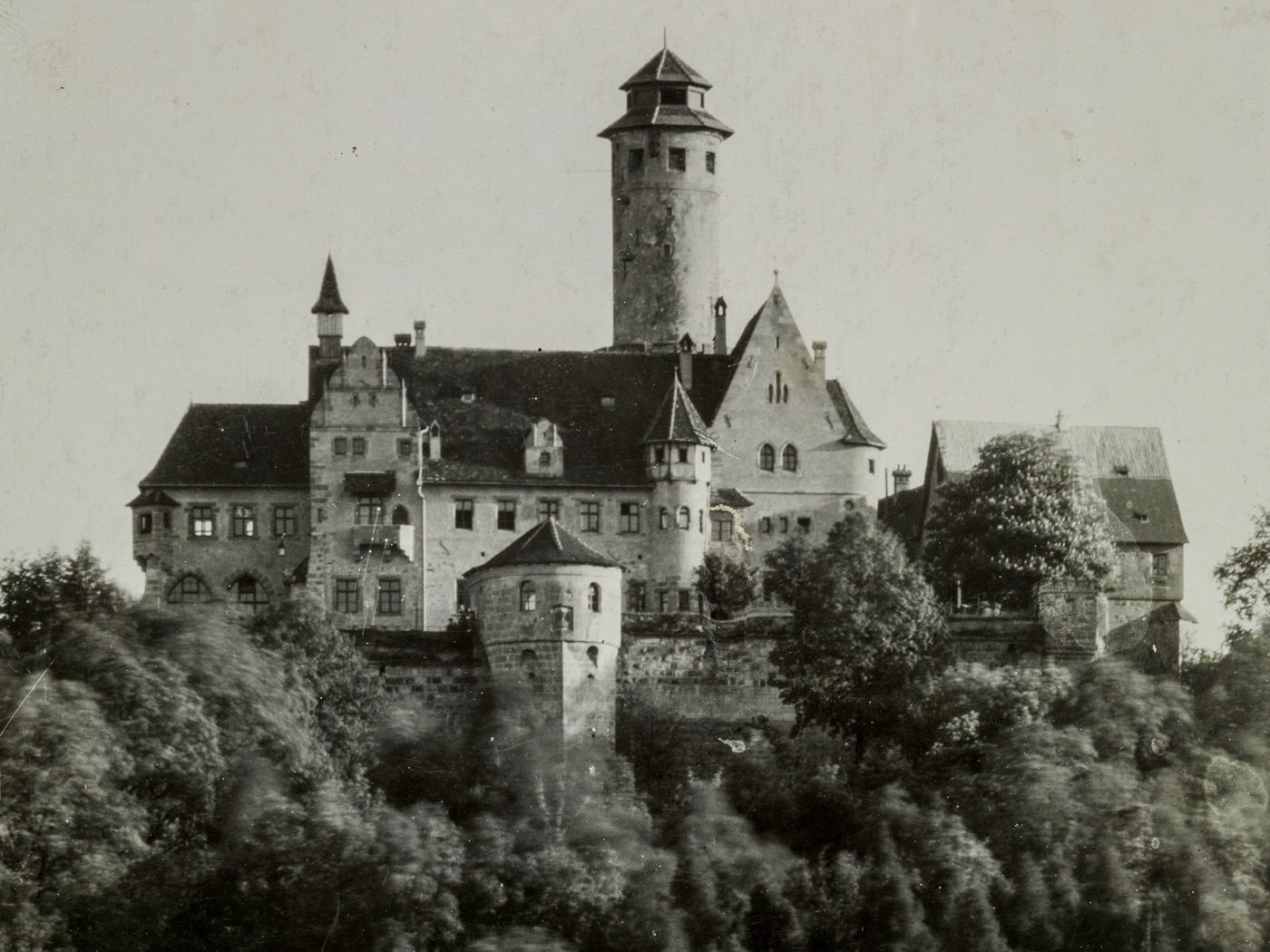
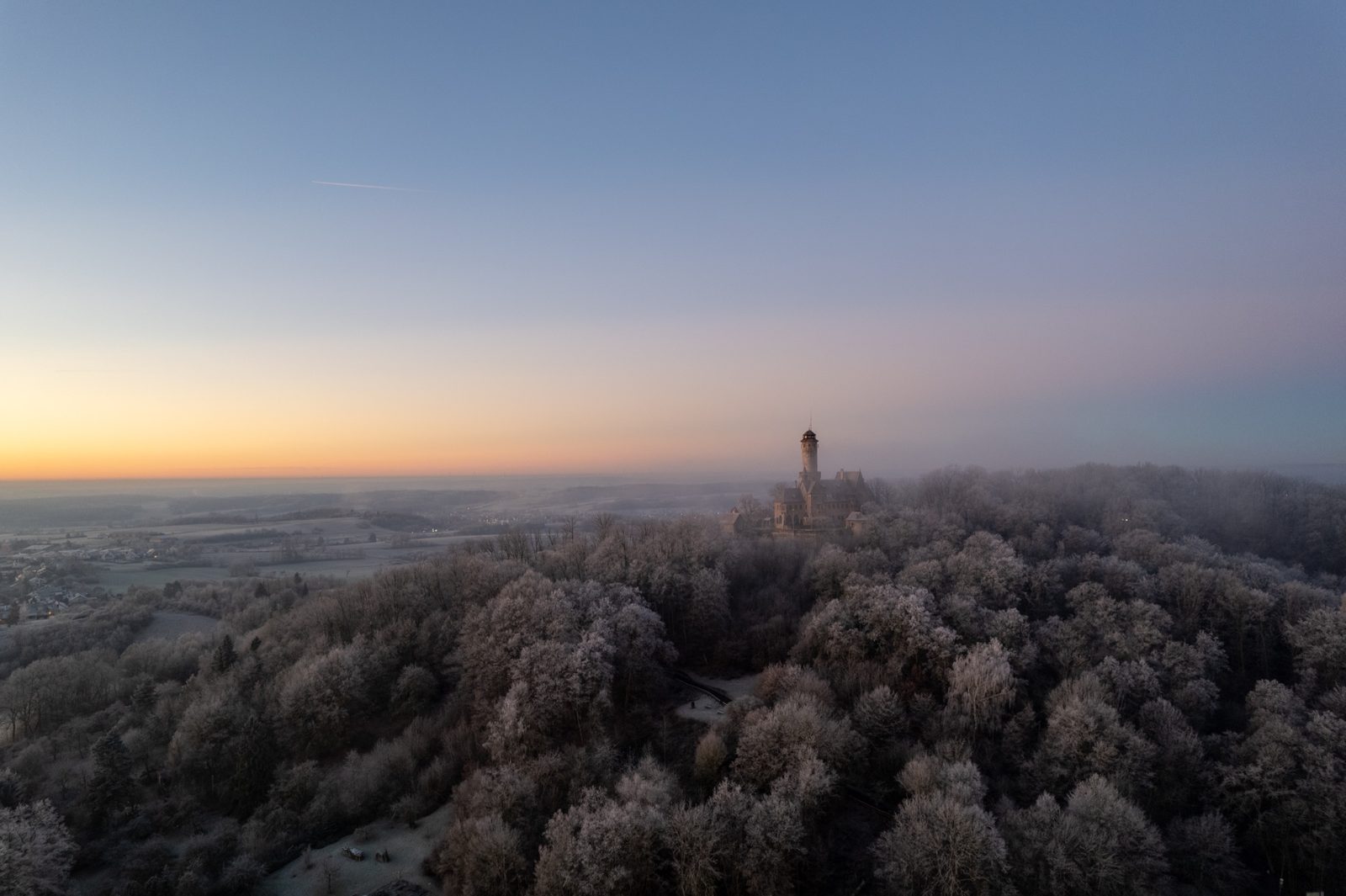
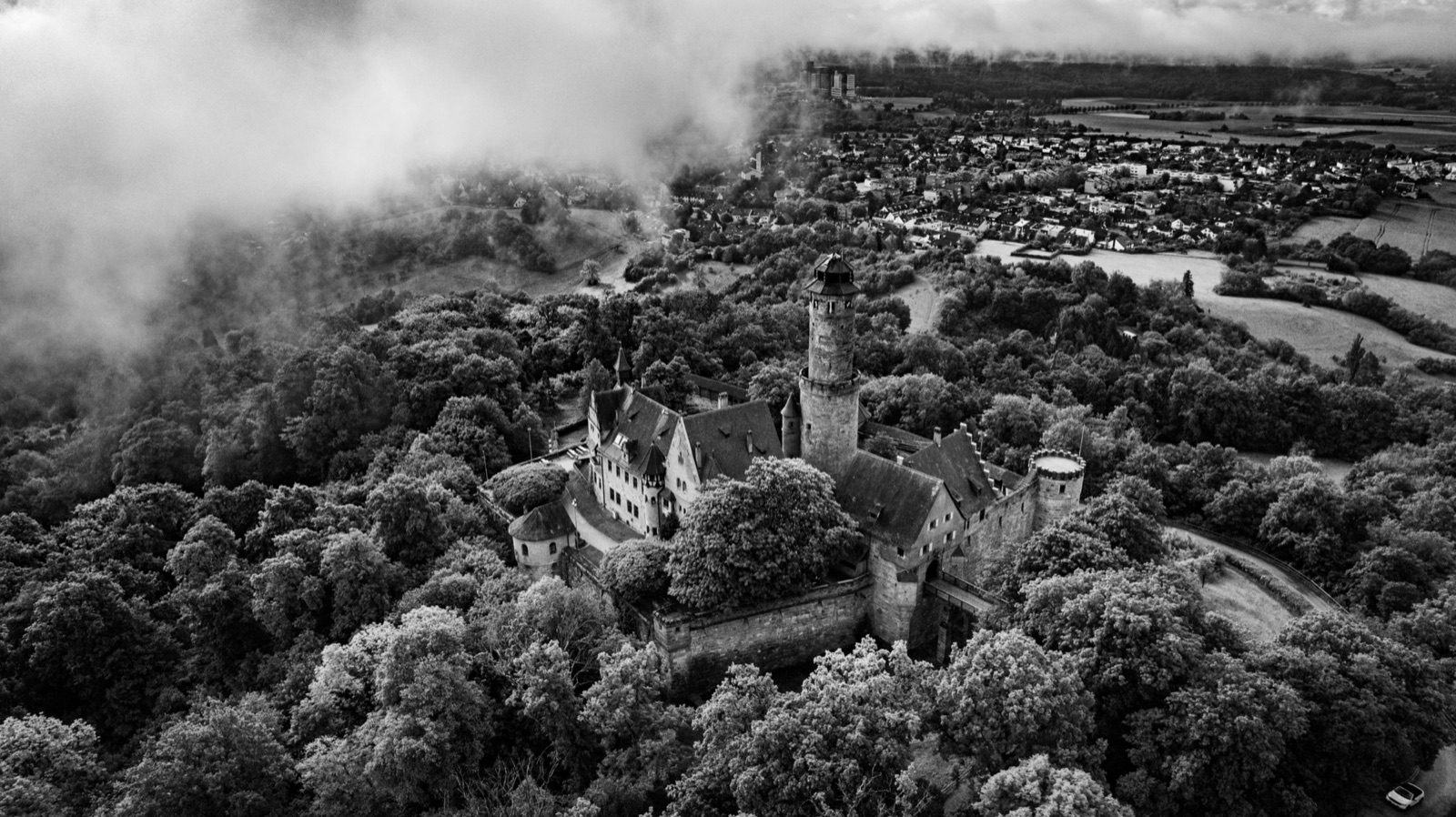
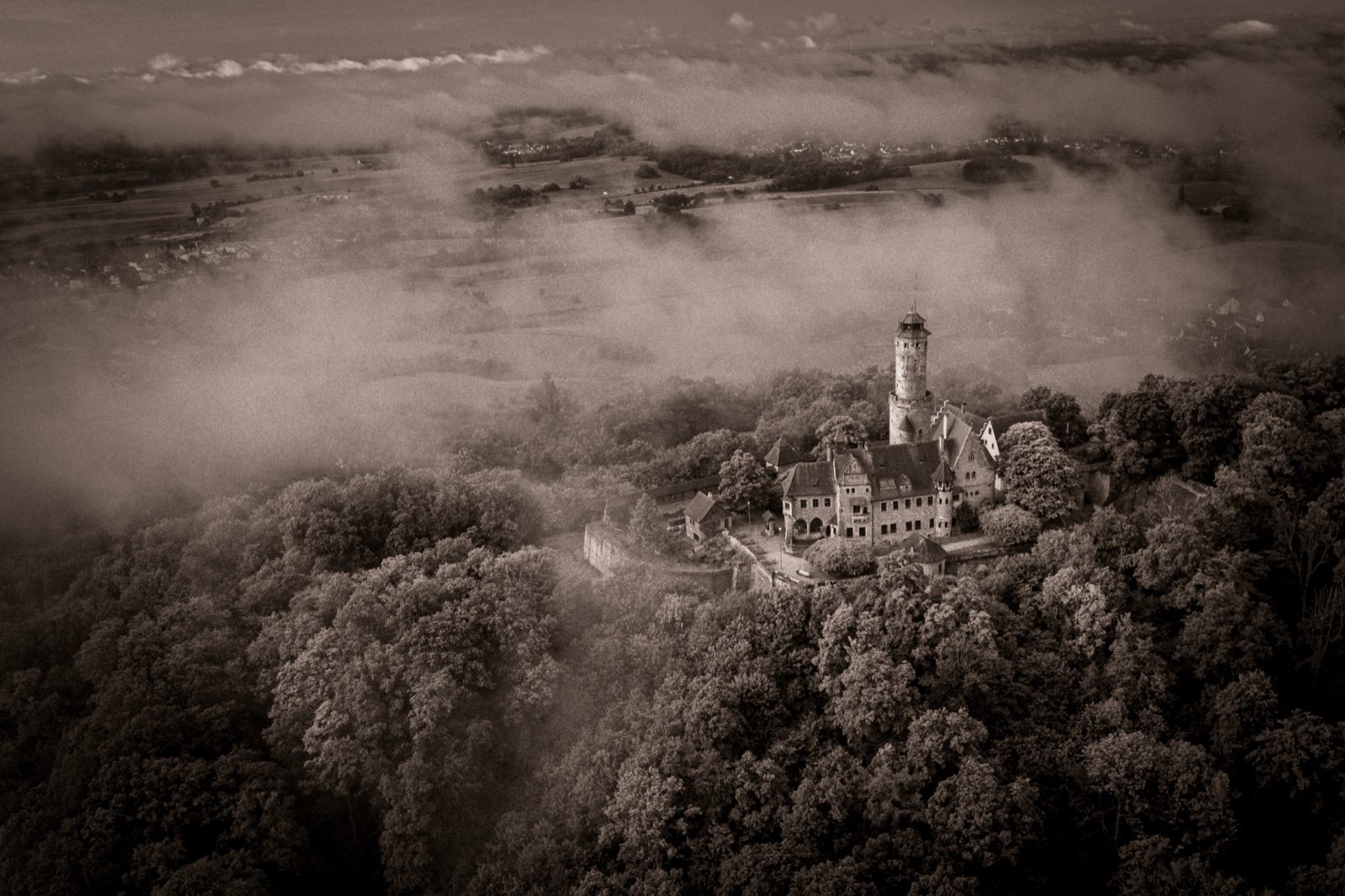
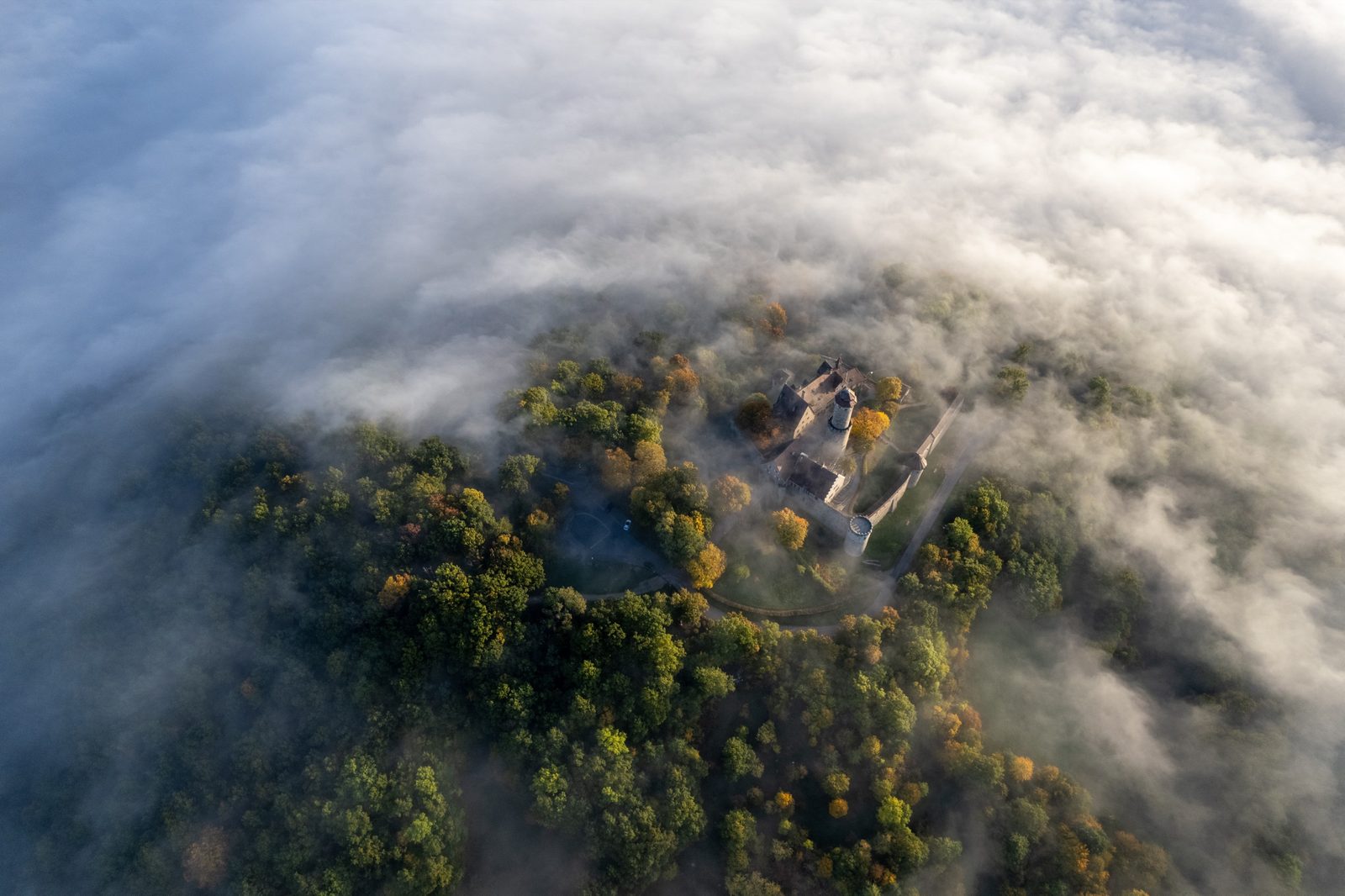
The Altenburg ob Bamberg is a medieval hilltop castle on the highest hill of the city. The castle's appearance is closely bound up with the history of this UNESCO World Heritage city. Over the centuries the Altenburg changed along with its city and its society. It developed from a fortification into a bishop's residence and was finally rescued from decay by Bamberg citizens as one of the city's most important landmarks.

From 1109 to today

The history
of the Altenburg

A castle probably stood on this hill already when Emperor Henry II began to develop his "Papinberc" (Bamberg) from the year 1007 as "Haec caput est orbis", literally "head of the world", into one of the most important cities of his vast empire. At its first documentary mention in 1109, about a hundred years later, it was already called the "old castle".

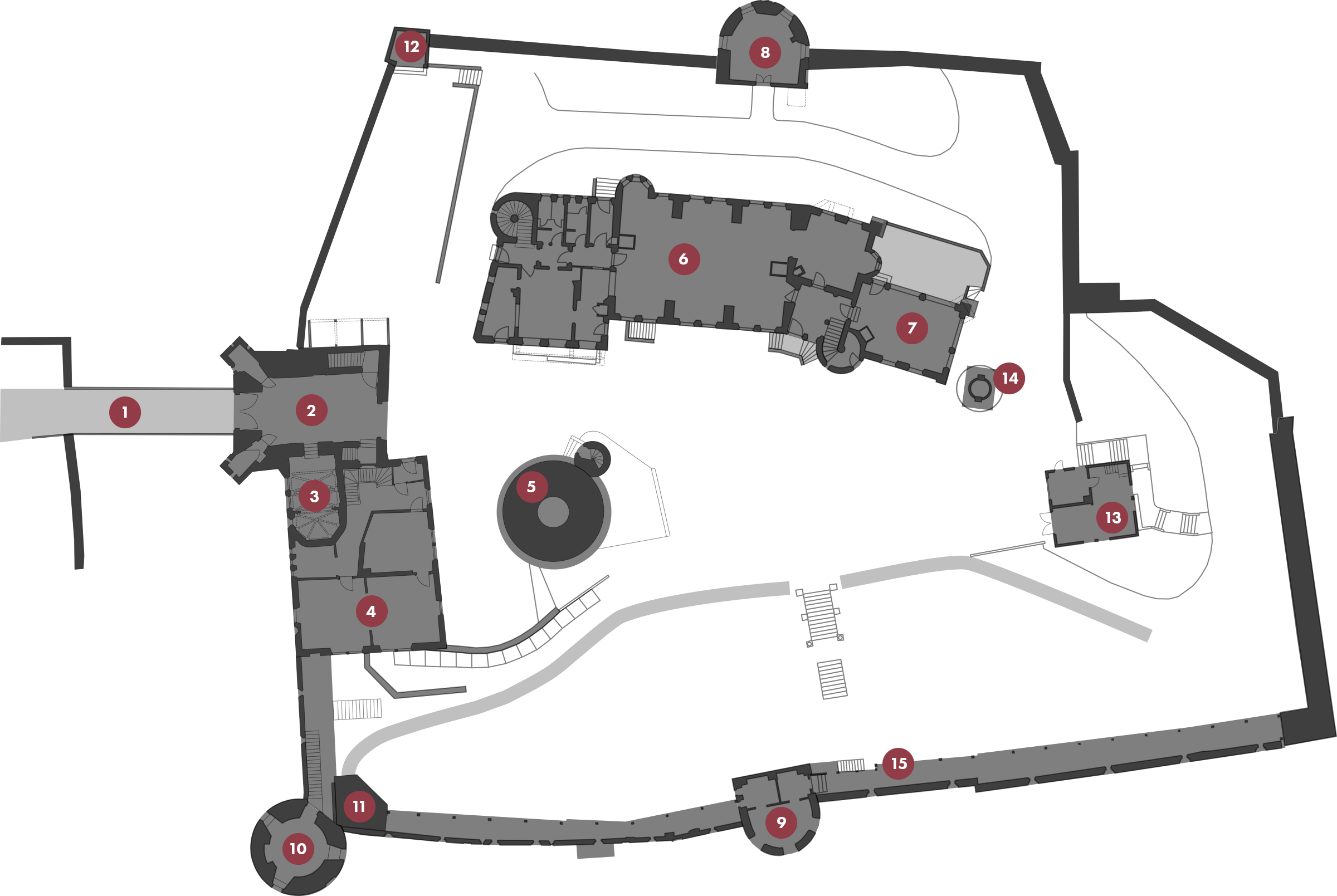
The Altenburg as it stands today is not the work of a single master builder or a single epoch. It has grown over roughly 1,000 years.

Its greatest heyday came under a series of Prince-Bishops who extended and rebuilt the Altenburg or had it restored after damage. Following centuries of decline from the Second Margrave War of 1553 onwards, it was only from 1800 that bourgeois renewers rescued it and remodelled it once again.

This makes the Altenburg something unique: it is not a frozen moment in history, but carries in its fabric the history of the city of Bamberg and the change of its society.

around 1109

First documentary mention in 1109

First documentary mention in 1109

The name "Altenburg" appears for the first time in 1109: in the founding endowment of St. Jakob's Monastery the wording reads "Altenburg cum silva et suis terminis", that is the "Altenburg with its forest and its boundary marks". Even at its first mention the place was therefore already an old castle, built at some point in the early Middle Ages.
1307 to 1553

Heyday under the Prince-Bishops

Heyday under the Prince-Bishops

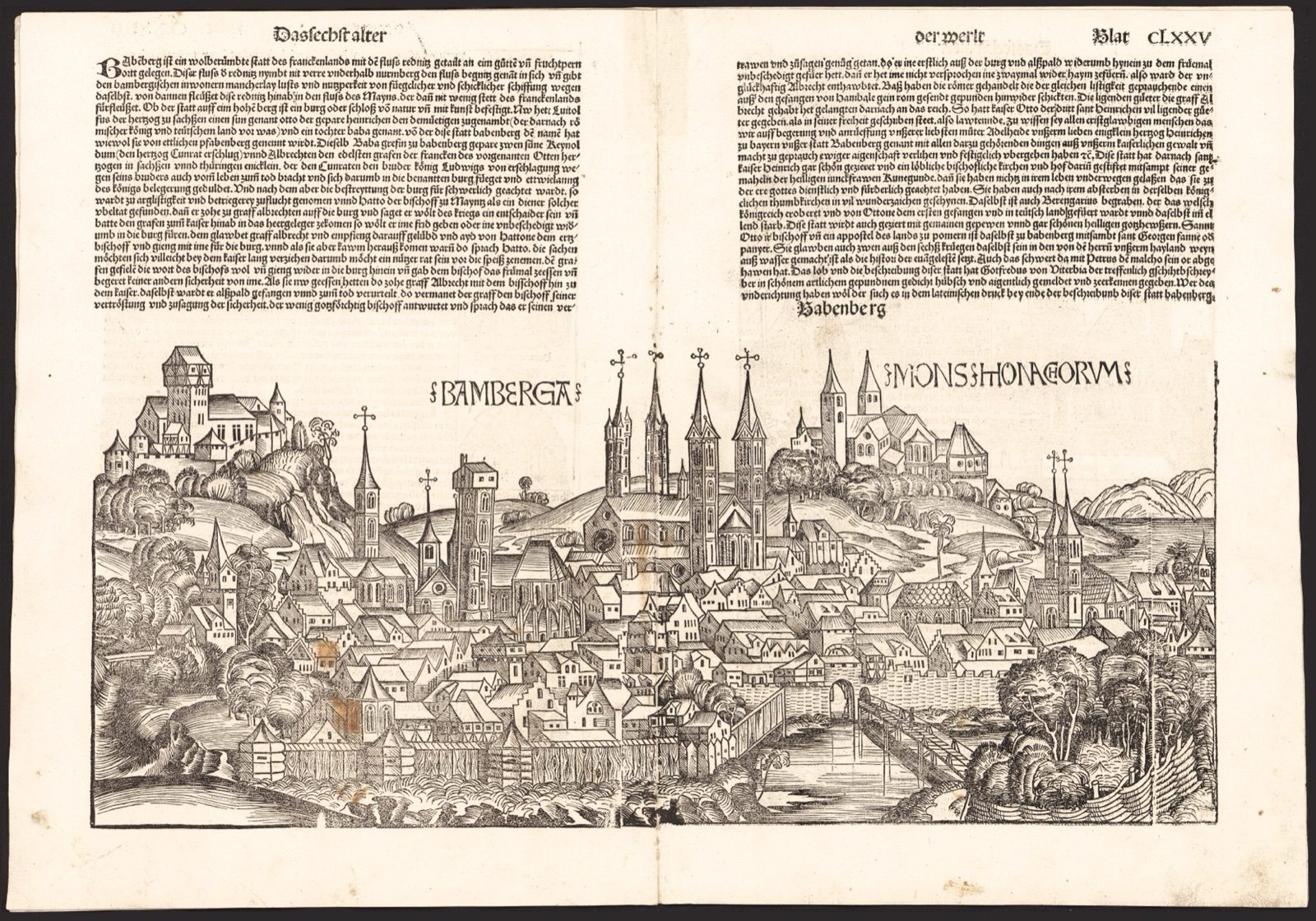
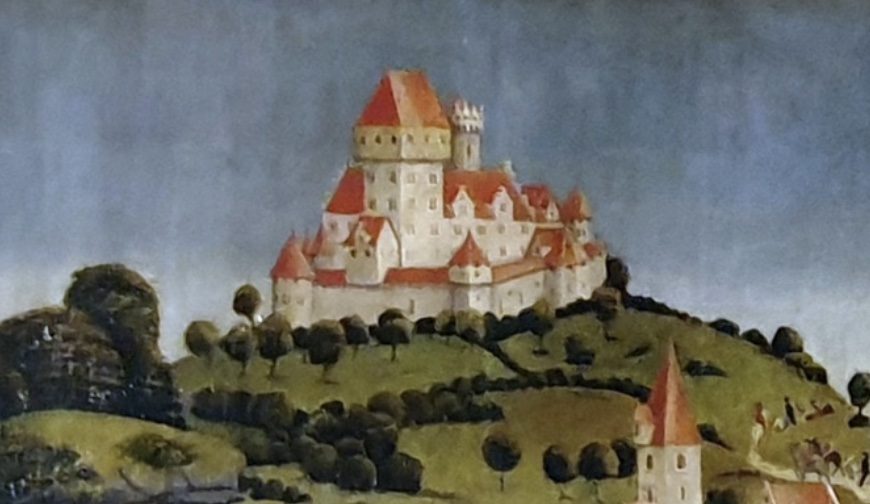
In 1307 a Prince-Bishop of Bamberg issued a charter at the Altenburg for the first time. From the late fourteenth century onwards the Prince-Bishops expanded this "old castle" into a splendid residence in several building campaigns, from the keep under Albert von Wertheim to the princely chambers under Georg III Schenk von Limpurg (1520/21). From this period, around 1483, also dates the earliest known depiction of the Altenburg. The castle was larger than today, with a tall residential tower. Already on this first depiction the round keep and the north tower can be seen, today housing the E.T.A. Hoffmann Cell.

1553 to 1800

Destruction and decline

Destruction and decline

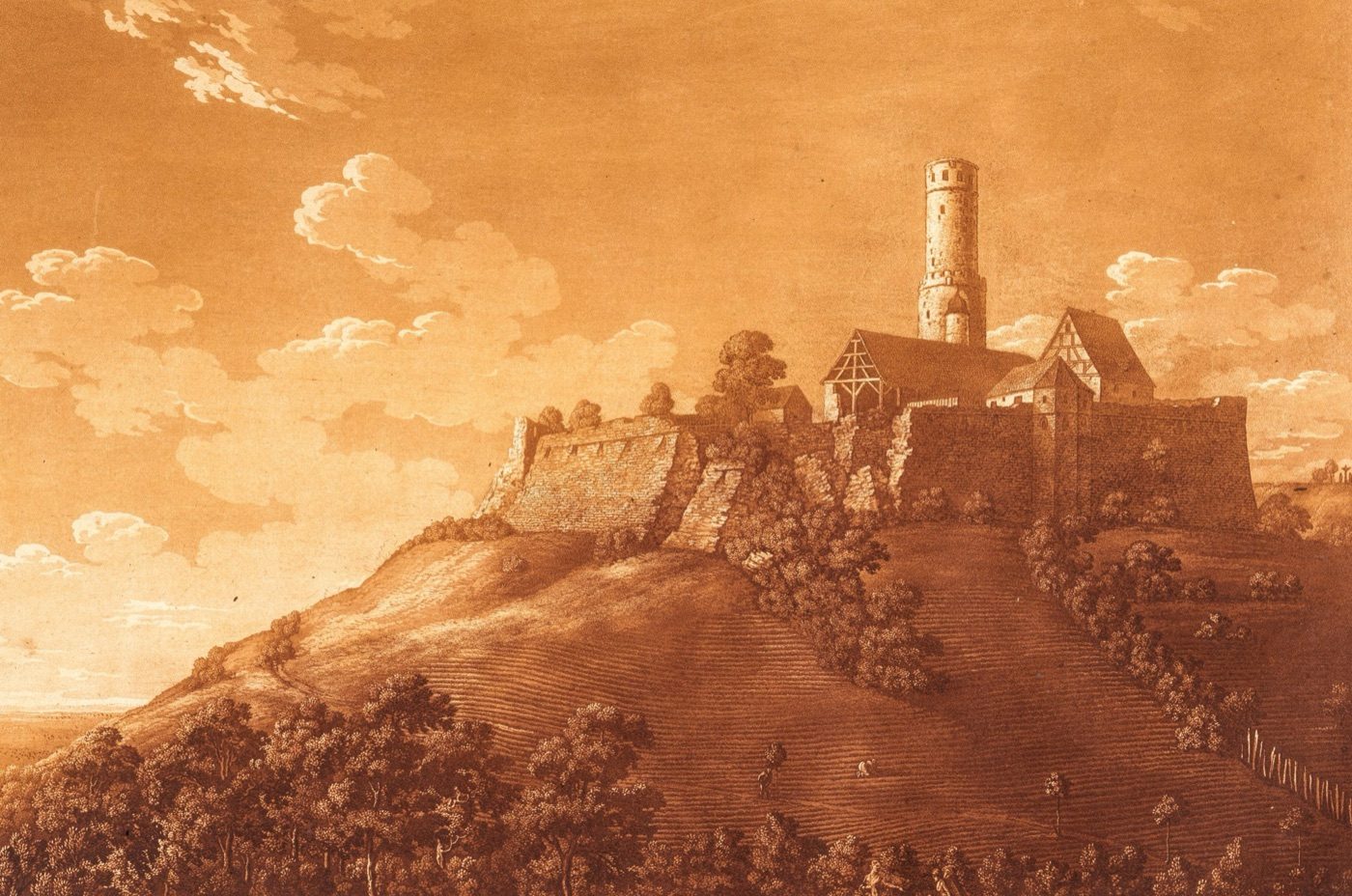
After the Altenburg had withstood the Peasants' War of 1525 without major damage, it finally went up in flames in 1553 during the Second Margrave War. Landslides additionally gnawed at its foundations and substance. The Altenburg lost importance and was used at times as a prison. For 250 years it increasingly decayed into ruin.

around 1800

Rescue of the Altenburg

Rescue of the Altenburg

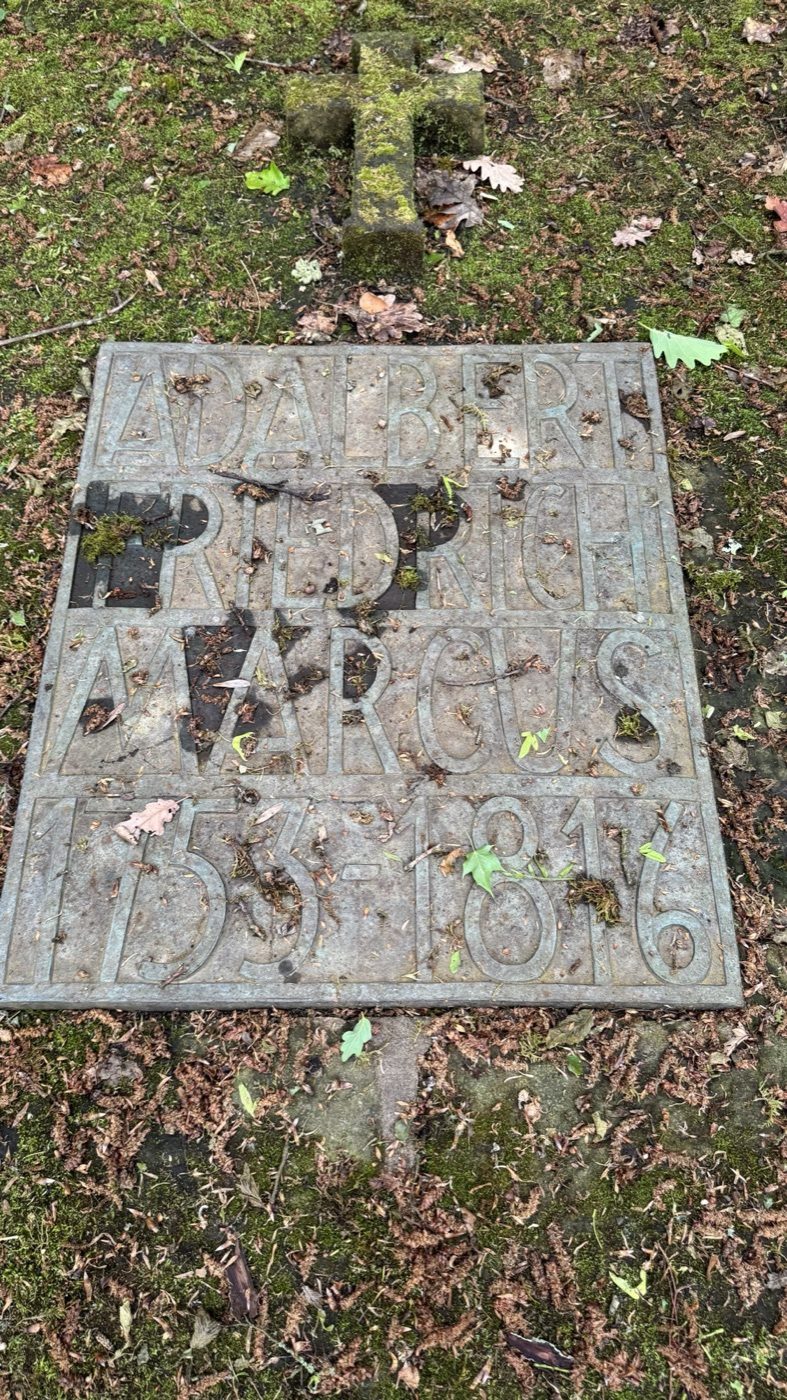
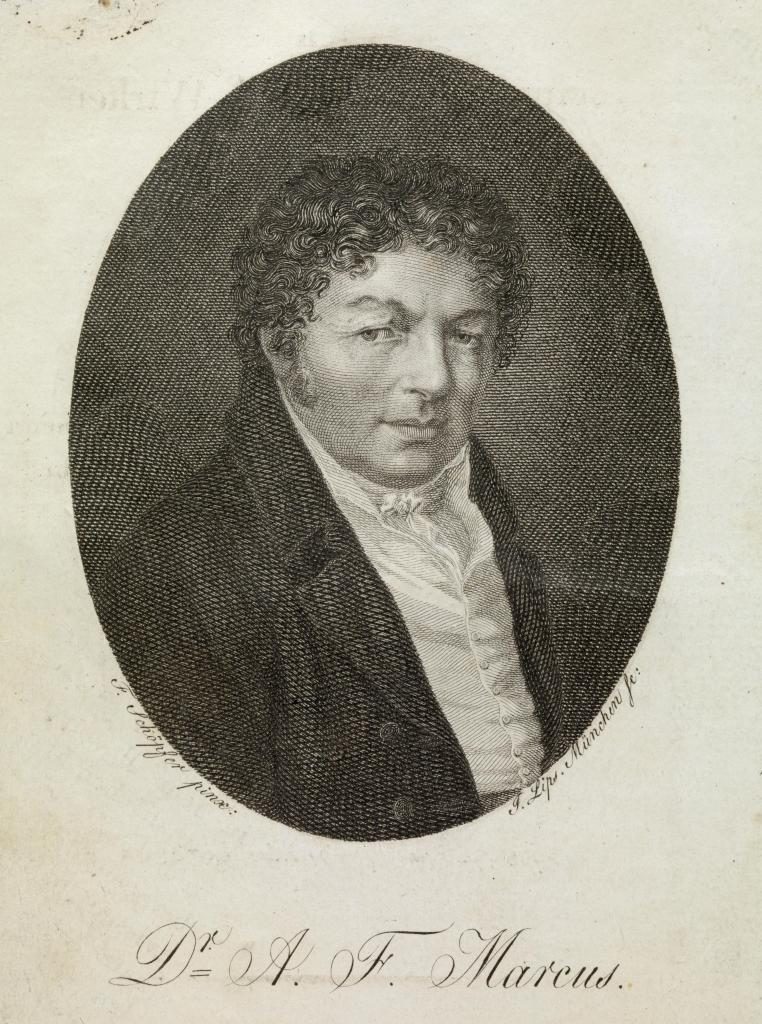
After the east wall had grown increasingly unstable at the end of the eighteenth century and the northeast tower had broken away with it, around 1800 it was Bamberg citizens who rescued the Altenburg as their favourite place from demolition and rebuilt it. First Dr. Adalbert Friedrich Marcus and later the committed members of the Altenburgverein, to whom the castle belongs to this day.

This site is growing

Over the coming weeks we will gradually publish articles, and this site will fill with substance. If you are interested, simply subscribe to the newsletter and you will be notified.

To the newsletter →
  • Buildings, Towers and Walls of the Altenburg, historical view of the Altenburg

    Buildings, Towers and Walls of the Altenburg

    No one knows exactly how old the Altenburg really is in its origins. The buildings visible today, however, are exceptionally well researched and documented in the official monuments inventory »Die Kunstdenkmäler von Bayern« of 2008. What is certain: the Altenburg grew over many centuries, from the late medieval defences to the Historicist reshaping around 1900. The oldest structures are the gatehouse, the keep and large parts of the walls with their towers.

    Interested? Subscribe to the newsletter for the link.

  • History of the Altenburg and its builders, historical view of the Altenburg

    History of the Altenburg and its builders

    The Altenburg is the highest of the Bamberg hills and looks back on around nine centuries of written history. It first appears in a charter in 1109, as part of the endowment of St. Jakob Monastery, was expanded from the late 14th century into the prince-bishop's residence, was destroyed in the 1553 Margrave War, and decayed into ruin over two centuries. In 1801 the physician Adalbert Friedrich Marcus saved the complex from demolition; since 1818 it has belonged to the Altenburgverein, which preserves it to this day.

    Interested? Subscribe to the newsletter for the link.

  • Monuments and paths around the Altenburg, historical view of the Altenburg

    Monuments and paths around the Altenburg

    Around the Altenburg lie numerous monuments, memorial stones and resting places, from the early 19th century to 1980. Among them are the late Baroque Crucifixion Group, the grave of castle rescuer Adalbert Friedrich Marcus, the personally named viewpoints Leitschuh-Ruh and Hergenröder-Ruh, and the Wittelsbacher Stone of 1903. This overview orders the sites by location and shows for each when it was created, who made it, and what it commemorates.

    Interested? Subscribe to the newsletter for the link.

  • Lost Paths in the Forest: Forgotten Steps & Mysterious Stones, historical view of the Altenburg

    Lost Paths in the Forest: Forgotten Steps & Mysterious Stones

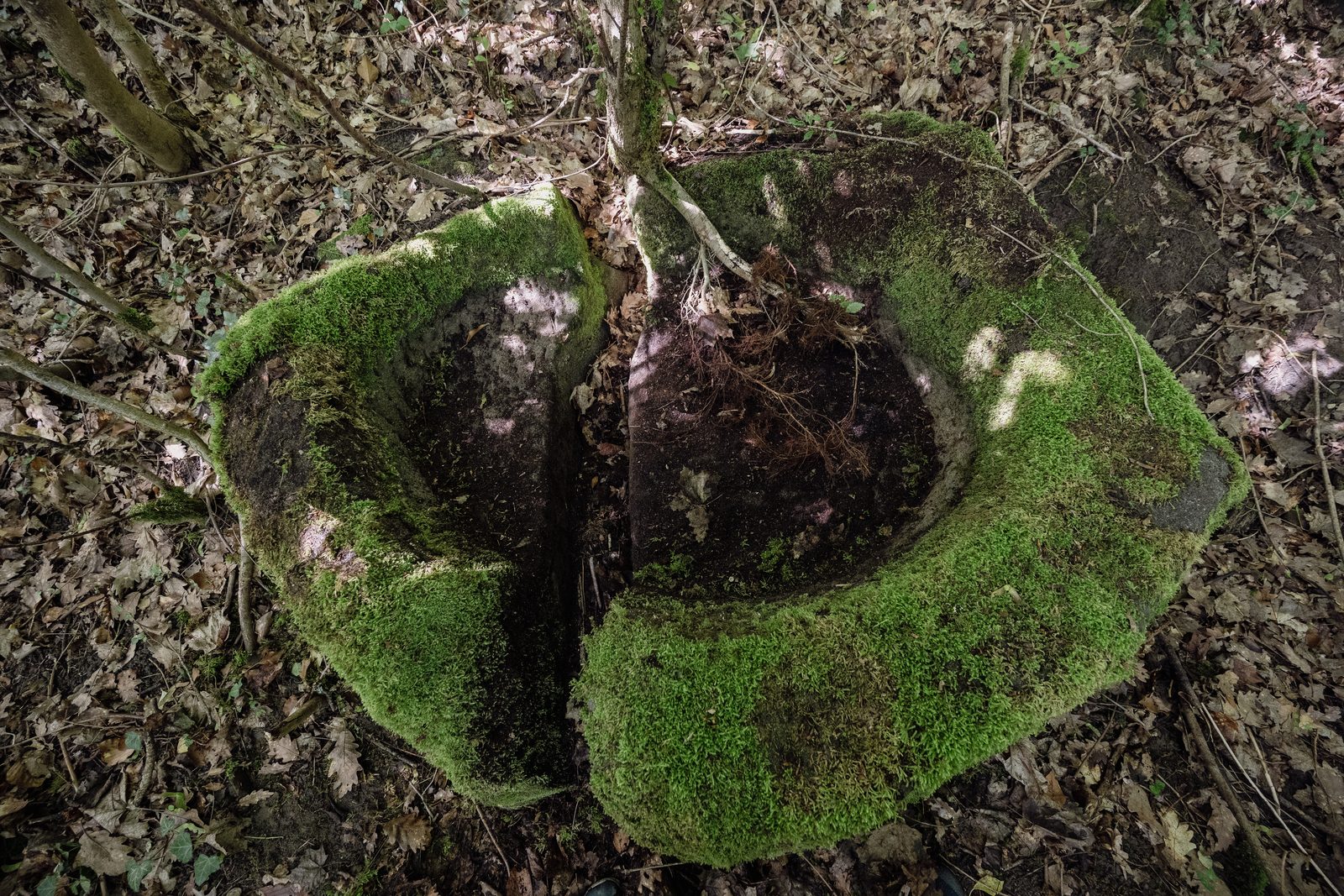
    On the wooded slope east of the Altenburg lie the remains of a forgotten park landscape from the early years of the castle association: lost paths, steps set into the hillside and enigmatic stones. Since the early nineteenth century a park-like footpath led from the Hergenröder rest past the General Monument through the woods to the Wittelsbacher obelisk. Those who look closely will find the remains of stairways, the site of the vanished monument to Duke Wilhelm of Bavaria, and a worked stone with a round basin whose purpose remains unexplained.

    Interested? Subscribe to the newsletter for the link.

  • The castle hill of the Altenburg: geology and landslides, historical view of the Altenburg

    The castle hill of the Altenburg: geology and landslides

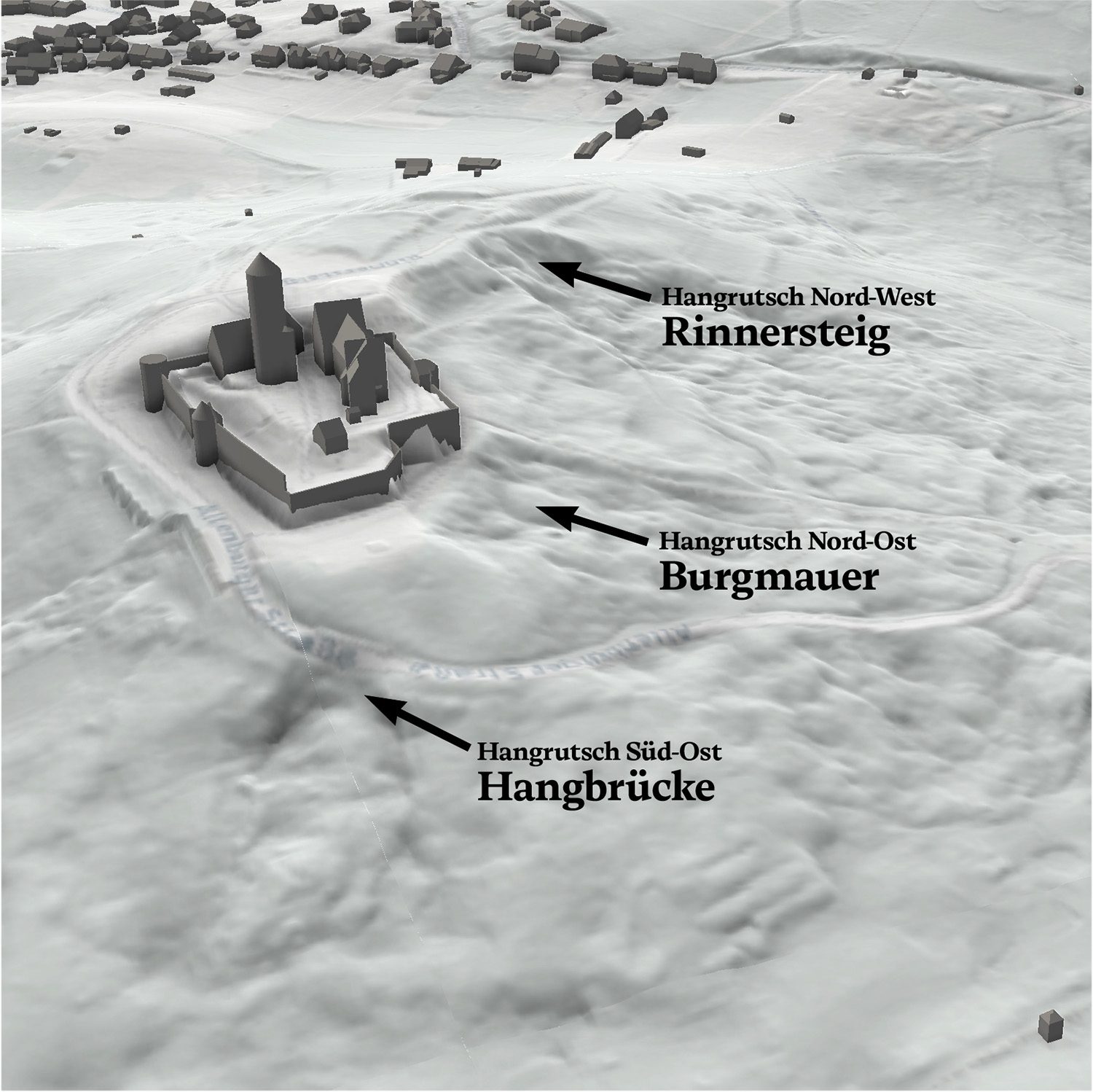
    The Altenburg rests high above the city on a solid sandstone cap. Yet around 40 metres beneath the castle lies a mobile, slide-prone layer of clay, the Feuerletten. This geological constellation has shaped the castle hill for centuries. Regular landslides have carried away nearly a third of the original complex since the 16th century, probably doing more damage to the castle than wars and secularisation combined.

    Interested? Subscribe to the newsletter for the link.

  • Wine, hops and forest: the former cultivation of the Altenburg slopes, historical view of the Altenburg

    Wine, hops and forest: the former cultivation of the Altenburg slopes

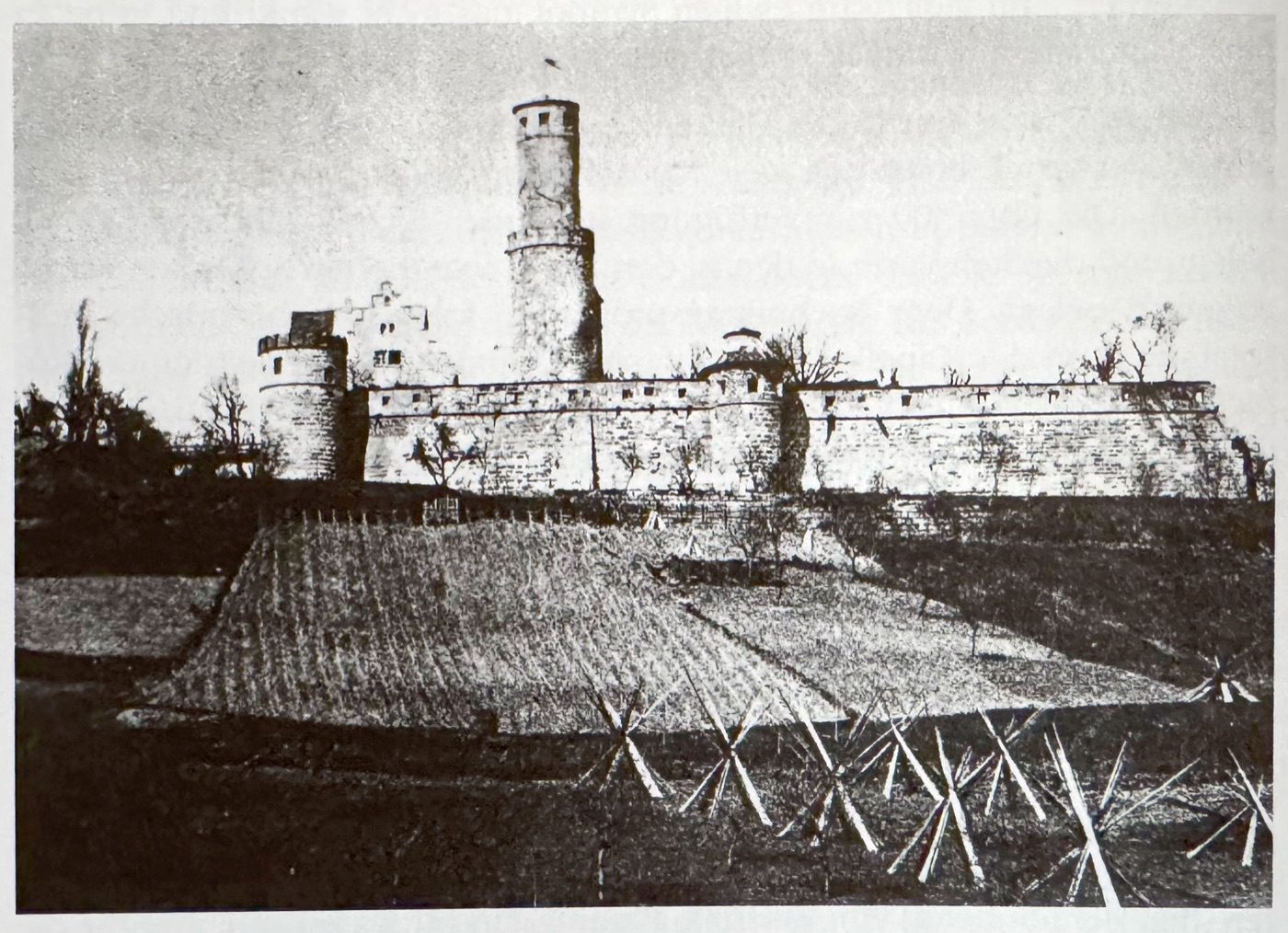
    For five centuries the slopes of the Altenburg were a productive agricultural zone. The medieval oak forest "Hahn" supplied construction timber for the castle, vineyards and hop yards alternated along the hillsides, alongside orchards. After the century frost of 1829/30 viticulture gave way to hops; both ended in the 1900s. Today forest dominates the slopes, designated as a natural monument and protective forest since 1910, with the 2025 Reichelt management concept combining coppice, coppice-with-standards and close-to-nature forestry.

    Interested? Subscribe to the newsletter for the link.

  • The rescuer: Dr. Adalbert Friedrich Marcus, historical view of the Altenburg

    The rescuer: Dr. Adalbert Friedrich Marcus

    Adalbert Friedrich Marcus (1753 Arolsen, 1816 Bamberg) was a physician, personal doctor to two Prince-Bishops of Bamberg and reformer of Bamberg's health and social system. From 1789 he directed the General Hospital, founded or reformed the midwifery school, the St. Getreu mental clinic, the civic hospital and the rural medical service, in 1807 imposed mandatory smallpox vaccination in Bavaria, and initiated the Bamberg theatre. In 1801 he acquired the derelict Altenburg and secured it as a summer refuge and meeting place for his circle of friends around E.T.A. Hoffmann. His grave on the north slope of the castle is the seed from which the Altenburgverein emerged in 1818.

    Interested? Subscribe to the newsletter for the link.

  • E.T.A. Hoffmann, historical view of the Altenburg

    E.T.A. Hoffmann

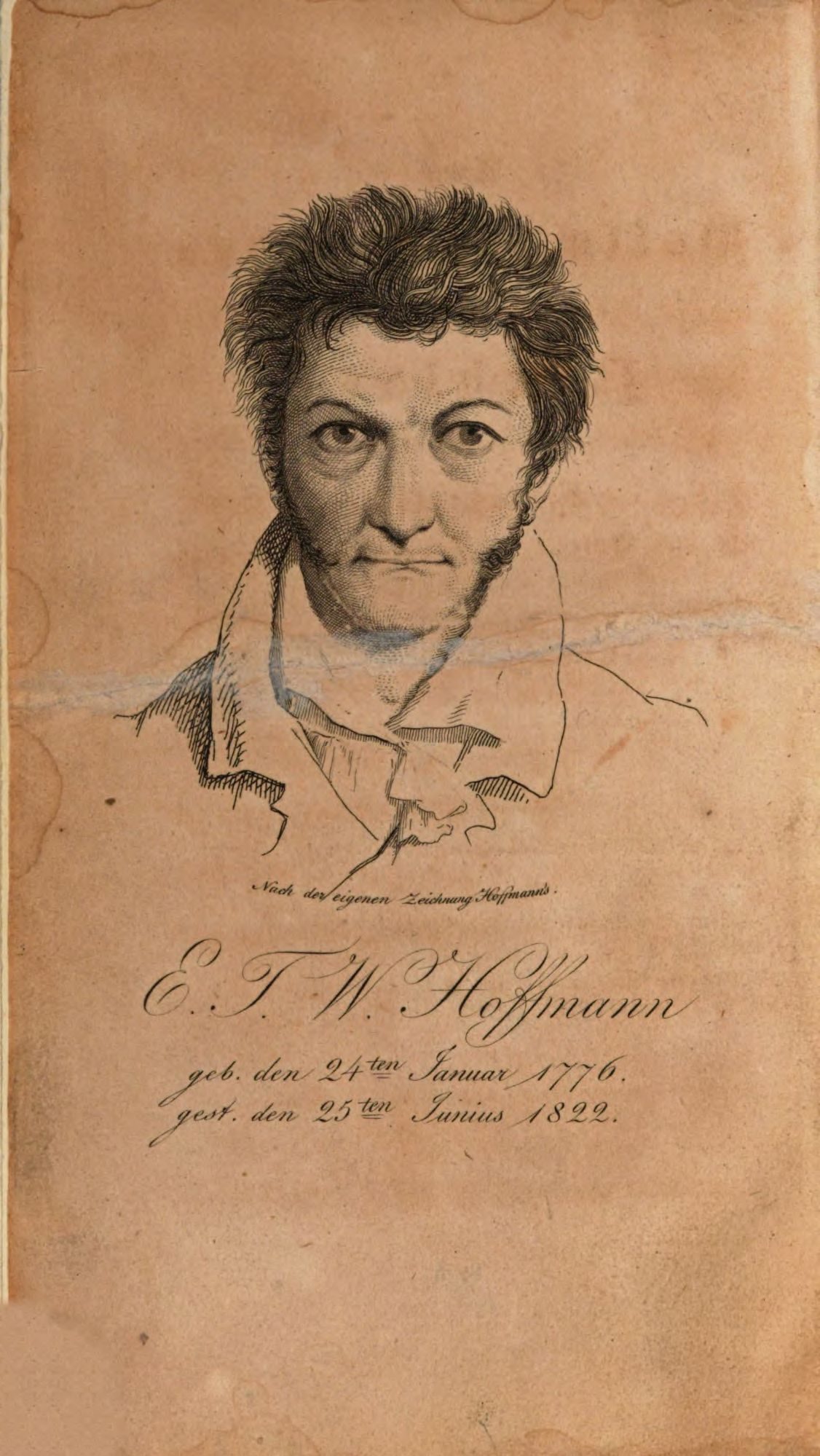
    Ernst Theodor Amadeus Hoffmann was a German writer, composer, music critic and jurist (1776 to 1822), one of the central figures of German Romanticism. He lived and worked in Bamberg from 1808 to 1813, his most productive phase, and during this time was a regular guest on the Altenburg in the circle around Dr. Adalbert Friedrich Marcus.

    Interested? Subscribe to the newsletter for the link.

  • The architect Gustav Haeberle, historical view of the Altenburg

    The architect Gustav Haeberle

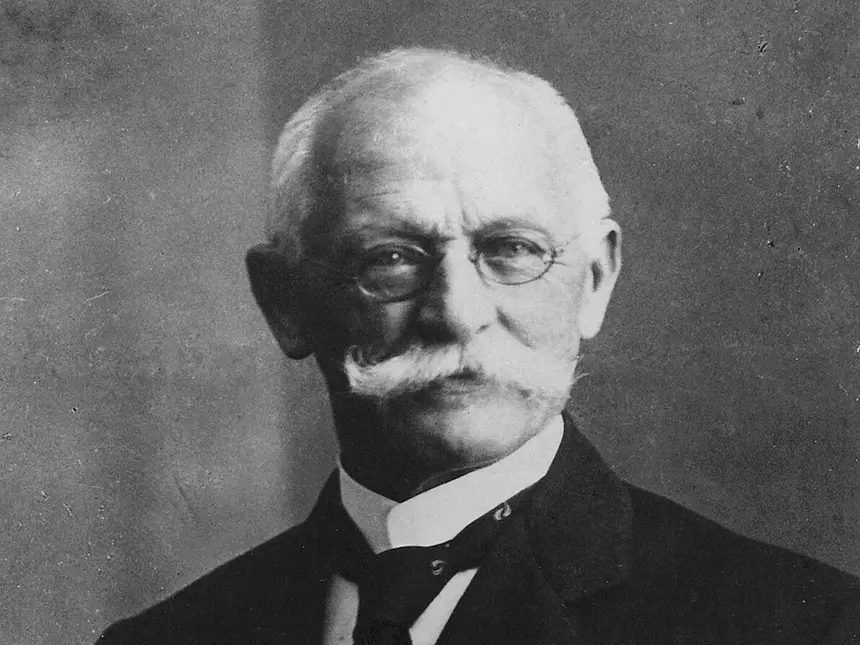
    Gustav Haeberle (1853 to 1930) decisively shaped today's appearance of the Altenburg and, with 185 building projects and 125 new constructions across the Bamberg city area, is one of the most influential architects of Bamberg. Commissioned by the Altenburgverein, Haeberle worked on the Altenburg over forty-four years as a continuous task, from the new well in 1893 via the Palas in 1901/02 to the tower cap on the keep in September 1901.

    Interested? Subscribe to the newsletter for the link.

  • The determined patron: Heinrich Manz, historical view of the Altenburg

    The determined patron: Heinrich Manz

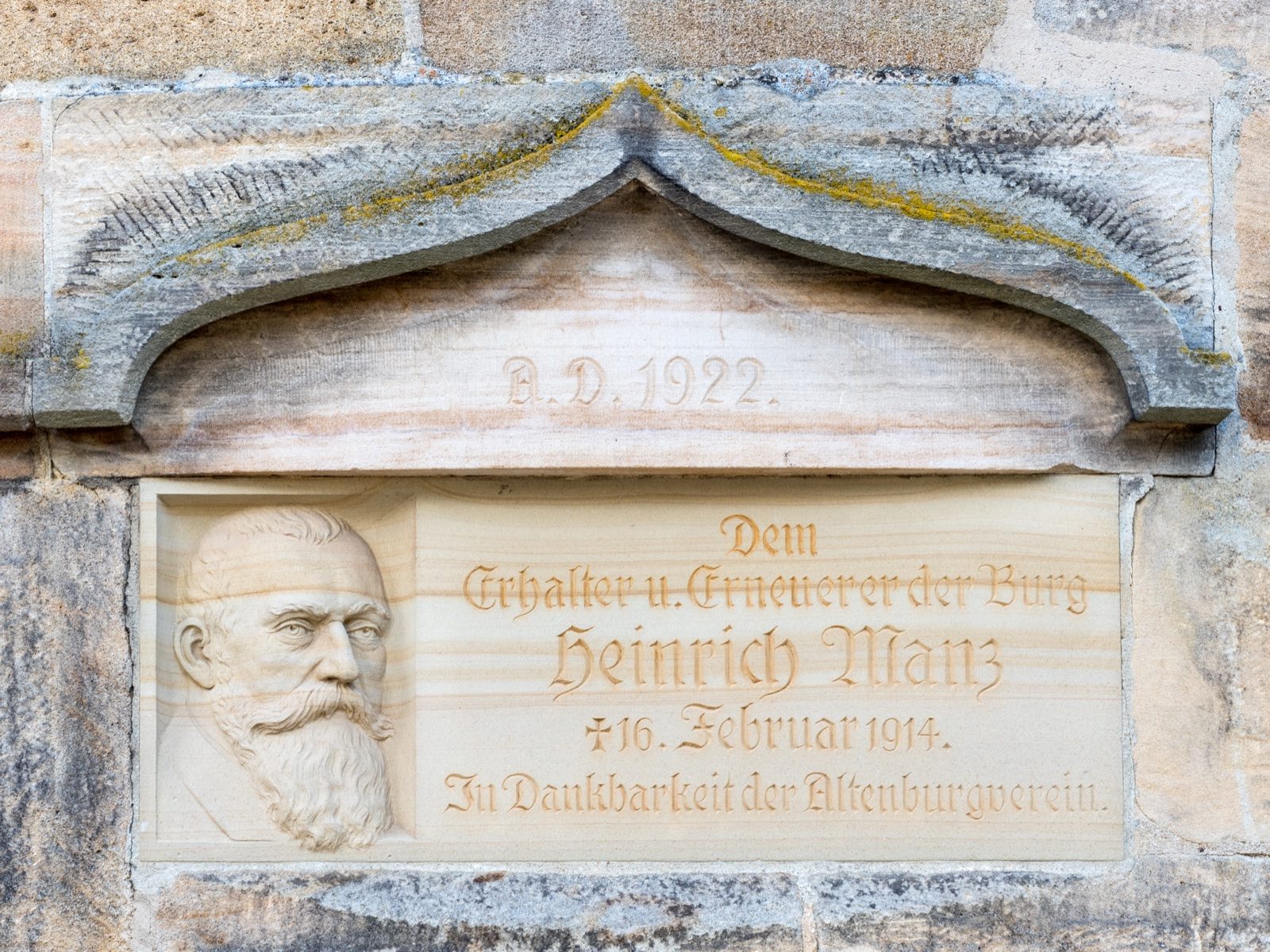
    Heinrich Manz (1852 to 1914) was a shoe manufacturer and councillor of commerce in Bamberg and the driving force behind the redesign of the Altenburg around 1900. As the leading figure in the Altenburgverein he had the plans for the new Palas drawn up at his own expense, organised the Altenburg Festival of 1897 to finance them, and initiated the Wittelsbacher Stone of 1903. His face is immortalised as a stone mask of the patron on the Palas.

    Interested? Subscribe to the newsletter for the link.

  • Bears on the Altenburg: Poldi, Toni and Hassan, historical view of the Altenburg

    Bears on the Altenburg: Poldi, Toni and Hassan

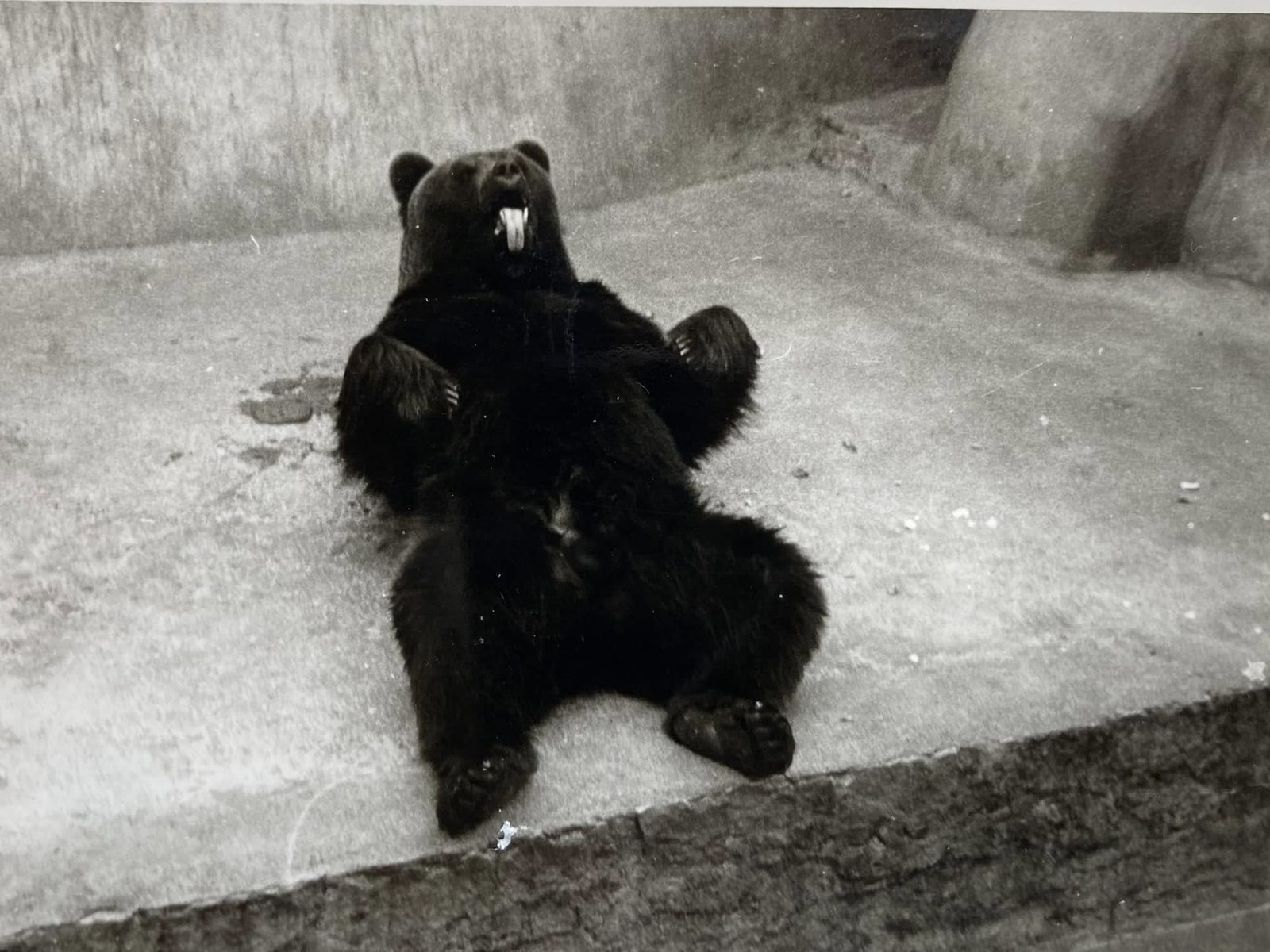
    For more than eight decades bears lived on the Altenburg. The best known was Poldi, for thirty years an icon for Bamberg children and Germany's last castle bear, who died in December 1982. Before Poldi, Toni (1951 to 52) and Hassan (1900 to 1916) inhabited the enclosure by the southwest tower of the castle.

    Interested? Subscribe to the newsletter for the link.

  • Secret tunnels: where do the underground passages of the Altenburg lead?, historical view of the Altenburg

    Secret tunnels: where do the underground passages of the Altenburg lead?

    For generations Bamberg has been alive with myths about secret tunnels said to lead from the Altenburg to the Cathedral, to the Old Court, or even to the Giechburg. On closer inspection such tunnels are geologically impossible or highly unlikely. There are also no references in historical descriptions of the castle or in old court accounts. The castle does have numerous underground rooms, but none of them reach beyond the slope of the hill.

    Interested? Subscribe to the newsletter for the link.

  • Historic postcards of the Altenburg over the years, historical view of the Altenburg

    Historic postcards of the Altenburg over the years

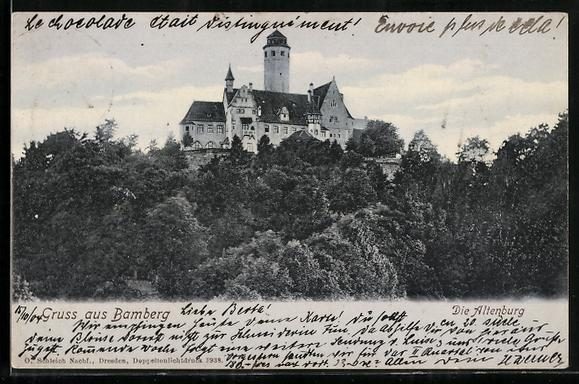
    Since the 1890s the Altenburg has been one of the most depicted postcard motifs of Bamberg. This collection gathers the dated and undated postcards of the castle from the late 19th to the 20th century. The cards show the structural development of the castle and its touristic appropriation over the decades.

    Interested? Subscribe to the newsletter for the link.

Frequently asked questions

Visitors of the Altenburg keep coming back to the following questions:

What is actually old about the Altenburg?

The Altenburg is as old as the city of Bamberg itself. Its origins probably reach back before the year 1000, and as early as 1109 it is first mentioned in writing as "Altenburg", literally meaning "old castle". For centuries it was Church property and the residence of the Prince-Bishops of Bamberg. After being destroyed in the spring of 1553 it fell into ruin, until Bamberg citizens rescued it during the Romantic era around 1800, first and foremost Dr. Marcus, initially with a lease from 1798 and a purchase contract from 1801, eventually crowning it around the turn of the twentieth century, possibly inspired by Neuschwanstein (built 1869 to 1892), with the new representational residential and assembly building, the Palas, completed in 1902 in the Late Historicist style. Unlike the fairy-tale castle Neuschwanstein, however, the Altenburg stands on a genuine medieval core.

What is truly old is above all the keep: its core was built from around 1400 onwards. Also medieval are the cells in the defensive towers along the ringwall, foremost the north tower, today the E.T.A. Hoffmann Cell, built under Prince-Bishop Anton von Rotenhan (1431–1459). Old too are the bridge piers and the gatehouse, whose cores date to the fifteenth century, and the chapel vault from around 1450 with the Rotenhan keystone. Comparatively new is only the castle palas, which Gustav Haeberle built on old cellar vaults between 1901 and 1902.

When did Poldi live on the castle?

Poldi lived on the Altenburg in Bamberg from 1952 to December 1982. He came to the castle as a six-month-old cub in 1952, with the then mayor Luitpold Weegmann as his godfather. For thirty years he lived alone in a sixty-square-metre enclosure by the southwest tower.

Poldi was not, however, the only bear of the castle: the tradition began around 1900 with the dancing bear Hassan, who lived on the castle until 1916, and immediately before Poldi the female bear Toni arrived in 1951. With Poldi's death the more than eighty-year tradition of the Bamberg castle bears came to an end; he is regarded as Germany's last castle bear.

What is the function of the iron basket on the keep?

Many stories surround the iron basket on the shaft of the keep: a torture cage, a forerunner of the festive castle illumination, or pure decoration. All three readings are unlikely. What is certain is that the basket is old: an Augsburg copperplate engraving from around 1730 already shows a gallows arm with a hanging basket on the keep, and a prince-bishops' fortification account of 1744/45 records the mounting of a new pitch pan on the keep.

A fire device on the tower is thus documented in writing; a watch or signal fire, for instance towards the Giechburg, is the most plausible purpose. On the castle views between 1818 and 1904 the basket is absent; only after the new construction of the Palas was it restored.

Did the Altenburg have a drawbridge?

Yes, the Altenburg actually had two drawbridges. The prince-bishops' chamber accounts for the rebuilding after the destruction of 1553 mention both drawbridges "for pedestrians and for carts"; master carpenter Jörg Wieber restored them in 1554. The large drawbridge closed the main gate arch, and its size can still be read from the rectangular recess in the facade. To its left there was a small pedestrian doorway with a raisable footbridge, a mini drawbridge of its own. The advantage: pedestrians never had to move the heavy main bridge.

The small doorway to the left of the gate is walled up today but still clearly visible; the iron hoisting pulley above it and the axle bearings even survive. At the outer end of the bridge there also stood an outer timber-framed gatehouse with a guard room (documented 1487/88, renewed 1555, since vanished). The bridge was thus secured from both ends.

Did E. T. A. Hoffmann work on the Altenburg?

Yes, by his own testimony. Hoffmann's Bamberg diary records multi-day stays up on the castle: in June 1812 he "moved up to the Altenburg", on 26 June he notes simply "Worked" and enjoys the "hermit's life". He mainly painted and decorated there; alongside this he composed on the castle the essay "Johann Kreisler's Thoughts on the High Value of Music".

Here Hoffmann also conceived his opera Undine, although he only began the composition a year later, after he had left Bamberg.